Navigating the Landscape of Data Science
Data science, a field that has seen unprecedented growth, relies heavily on the ability to process and analyze large datasets efficiently. Two key players in this arena are Python and PySpark, both of which have their own set of advantages and use cases. The question that often puzzles data scientists and analysts is which Spark API is right for their data science project. To answer this, it's essential to delve into the core of both Python and PySpark, understanding their strengths, weaknesses, and the scenarios where one outshines the other.
Python, known for its simplicity and extensive library support, has been a favorite among data scientists. Its versatility, coupled with frameworks like TensorFlow and Keras, makes it an ideal choice for machine learning and deep learning tasks. On the other hand, PySpark, built on top of the Apache Spark platform, offers unparalleled performance in handling big data, thanks to its distributed computing capabilities. This dichotomy sets the stage for a comparison that can guide project decisions.
Unpacking PySpark and Python for Data Science
When considering PySpark, one of its standout features is its ability to process data in parallel across a cluster of nodes, making it significantly faster than traditional Python for large-scale data operations. This feature is particularly beneficial for data science projects that involve processing voluminous datasets. Moreover, PySpark's API is designed to be highly intuitive for those already familiar with Python, offering a seamless transition for developers looking to leverage Spark's power.
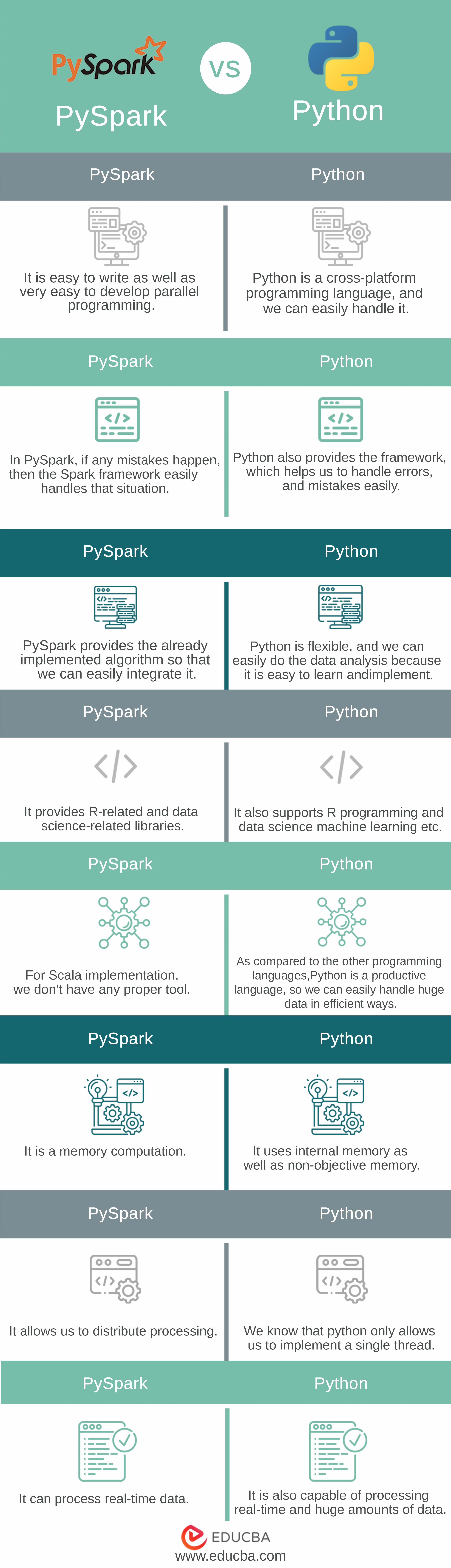
However, Python's broad ecosystem and simplicity can't be overlooked. For projects that require rapid prototyping, complex data analysis, or integration with other tools and libraries (like pandas, NumPy, and scikit-learn), Python remains the go-to choice. Its dynamic nature and extensive community support ensure that most data science tasks can be accomplished with ease and flexibility.
Choosing the Right Spark API for Your Project
The decision between Python and PySpark for a data science project ultimately hinges on the project's specific requirements. For instance, if the project involves dealing with massive datasets that require distributed processing, PySpark's scalability and performance make it the superior choice. On the other hand, for projects focused on machine learning model development, rapid experimentation, or working with smaller datasets, Python's flexibility and the richness of its ecosystem are hard to beat.
- •Unveiling The Enigma: Pope John Paul I's Death And The Lasting Impact Of His Papacy
- •Russian Ruble Exchange Rate: Navigating The Volatile Waters Of Currency Fluctuation
- •Unveiling The Enigmatic Randy Jackson: The Lesser-Known Brother Of Michael Jackson
- •Revolutionize Your Roblox Experience With The Free Moon Animator Plugin Unlock Limitless Animation Possibilities
- •Unveiling The Brilliance: Powerhouse Concepts Mastering The Art Of Luminous Expression
It's also worth considering the learning curve and the skills of the project team. For teams already proficient in Python, adapting to PySpark is relatively straightforward, given the similarities in syntax and concepts. However, for newcomers to both, Python might offer a gentler learning curve due to its broader application and simpler setup.
Real-World Applications and Future Directions
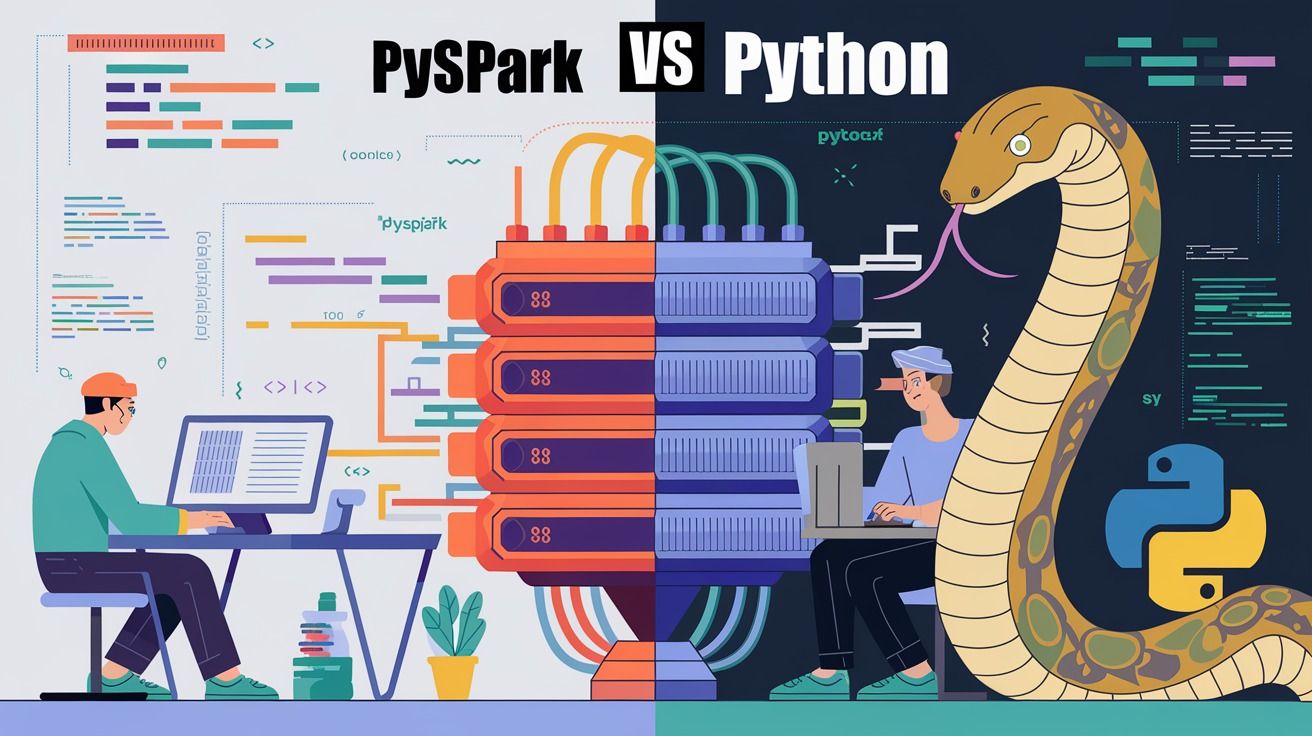
In the real world, the choice between PySpark and Python often boils down to the specific needs of the project. Companies dealing with vast amounts of user data, such as social media platforms or e-commerce sites, might lean towards PySpark for its ability to handle big data efficiently. Meanwhile, startups or research institutions focusing on AI and machine learning might prefer Python for its extensive library support and community-driven development.
As data science continues to evolve, the importance of selecting the right tools for the job will only grow. Whether you opt for Python's versatility or PySpark's performance, understanding the strengths and weaknesses of each will be crucial in driving project success. The future of data science is likely to see even more integration and synergy between these two powerful tools, offering data scientists a broader palette of options to tackle complex challenges.
Conclusion: Navigating the Best of Both Worlds
In conclusion, the choice between Python and PySpark for a data science project is not a straightforward one. It requires a deep understanding of the project's requirements, the team's skills, and the trade-offs between performance, scalability, and development ease. By recognizing the unique value propositions of each and leveraging them appropriately, data scientists can unlock the full potential of their projects, whether through the breadth of Python's ecosystem or the brute force of PySpark's distributed computing.
As the data science landscape continues to evolve, embracing both Python and PySpark as complementary tools rather than competitors can lead to more efficient, scalable, and innovative solutions. By doing so, professionals in the field can ensure they are always equipped with the best possible arsenal to tackle the complex data challenges of tomorrow.
For more details and authoritative references, refer to the official documentation on Wikipedia.


