Beyond the Hype: What Freetube Promises
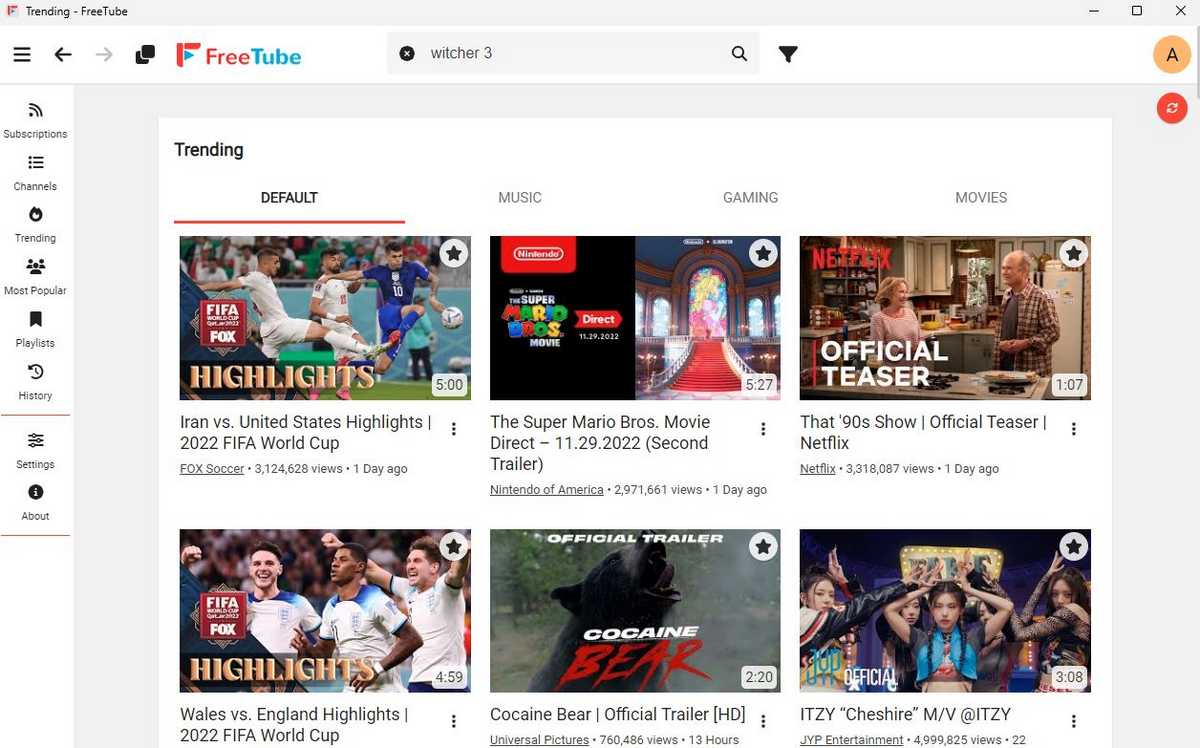
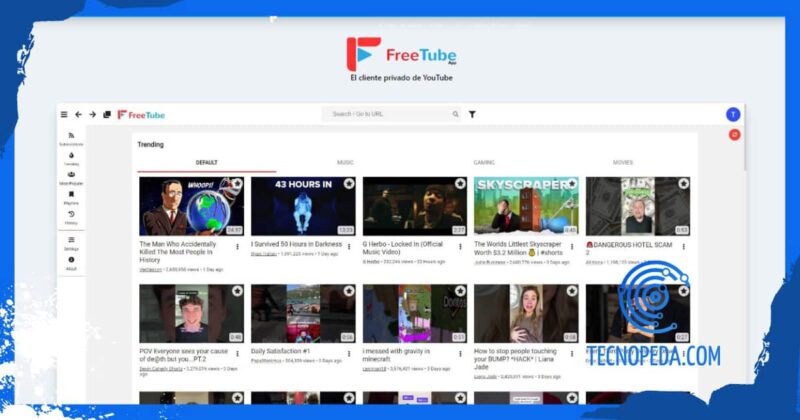
Freetube, an open-source YouTube client, has been making waves with its promise of a private and ad-free video streaming experience. It's touted as the perfect solution for those looking to escape the clutches of Google's data collection and the incessant barrage of advertisements on the traditional YouTube platform. With its user-friendly interface and commitment to respecting user privacy, Freetube has gained a significant following among those seeking an alternative.
However, beneath its appealing surface, Freetube harbors a shocking downside that few are aware of. As we delve deeper into the world of Freetube, it becomes clear that this supposed utopia of video streaming isn't without its drawbacks. The Freetube shocking downside is more complex than initially meets the eye, involving issues of content availability, platform stability, and the broader implications of relying on an open-source client for daily video consumption.
The Unseen Consequences: Content and Stability Issues
One of the most significant downsides of Freetube is its limited content library compared to the vast expanse of YouTube. While Freetube offers access to a wide range of videos, it sometimes struggles to keep up with the latest uploads or provide videos from less popular channels. This discrepancy can lead to frustration for users accustomed to the comprehensive video offerings of YouTube. Moreover, the platform's stability can be questionable at times, with users reporting instances of video playback issues and app crashes, which can significantly detract from the user experience.
The Freetube shocking downside extends beyond these functional issues, touching on concerns related to the long-term sustainability of an open-source project. The reliance on community contributors for updates and bug fixes can lead to inconsistent development cycles, affecting the overall reliability of the platform. This unpredictability can leave users in limbo, wondering when or if their favorite features will be updated or if critical bugs will be resolved.
Navigating the Grey Areas: Ethical and Legal Concerns
Beyond the technical and usability aspects, Freetube's shocking downside also encompasses ethical and legal considerations. The use of Freetube to access YouTube content without viewing ads raises questions about the fairness of this practice. Content creators on YouTube rely heavily on ad revenue to support their work, and bypassing these ads through Freetube can potentially harm the very community it's meant to serve. Furthermore, there are legal grey areas related to data usage and content distribution that Freetube must navigate, which can impact its viability as a long-term solution.
- •Unveiling The Unapologetic Whitney Cummings: A Deep Dive Into The Comedian's Most Iconic Images
- •Arigameplays Only Fans: The Sensual Streamer At The Center Of A Fierce Controversy
- •Paige VanZant: The Shocking Truth Behind The Ex-UFC Star's Hidden Secrets
- •Unveiling The "Tax The Rich PH" Movement: A Beacon Of Hope For Economic Equality
- •The Billionaire's Burden: Unpacking The "Tax The Rich" Movement
Conclusion: Weighing the Pros and Cons
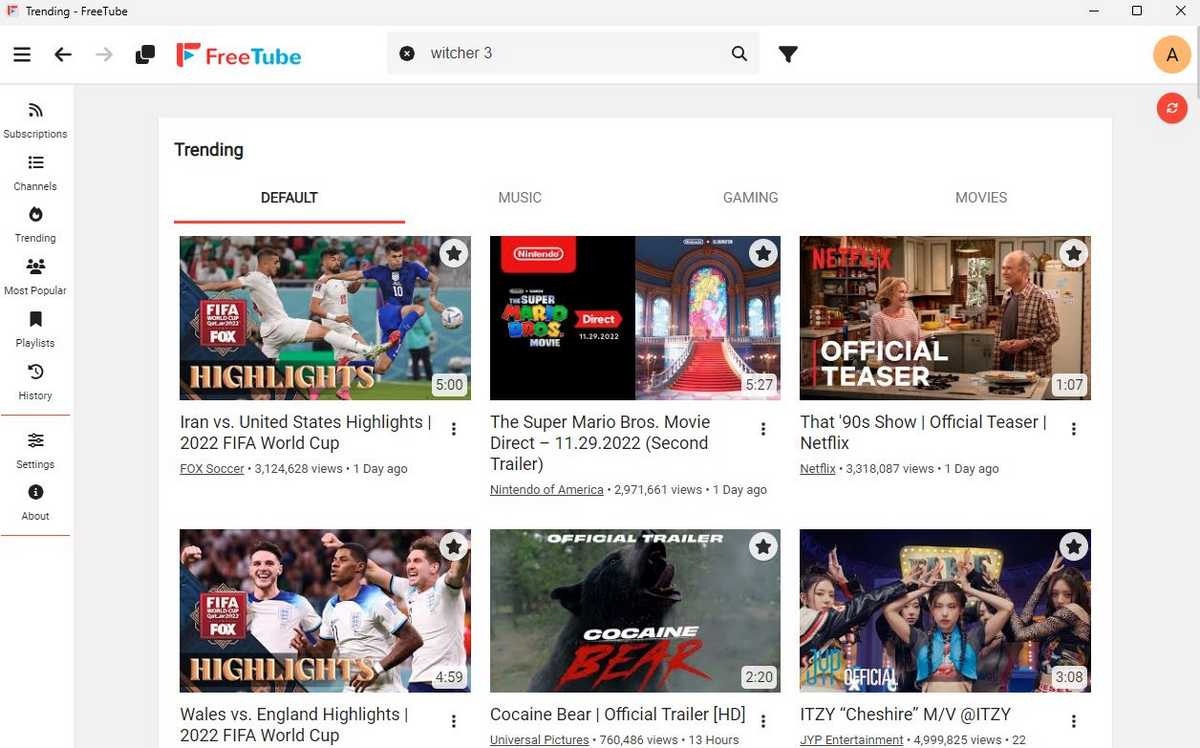
In conclusion, while Freetube presents itself as a sleek, privacy-focused alternative to YouTube, its shocking downside reveals a more nuanced reality. Users must weigh the benefits of an ad-free experience against the potential drawbacks, including limited content availability, stability issues, and the broader ethical and legal implications. As the landscape of video streaming continues to evolve, it's crucial for consumers to be aware of these complexities when considering alternatives like Freetube.
The Freetube shocking downside serves as a reminder that in the pursuit of privacy and convenience, we must also consider the impact of our choices on content creators and the platforms that host them. By understanding these dynamics, we can make more informed decisions about how we engage with online content and support the communities that bring us entertainment, education, and connection.
The Future of Video Streaming: Challenges and Opportunities
Looking ahead, the future of video streaming is fraught with challenges but also ripe with opportunities. As platforms like Freetube continue to emerge, they push the boundaries of what is possible in terms of privacy, usability, and community engagement. However, they also highlight the need for sustainable models that support content creators and ensure the long-term viability of these platforms.
Ultimately, the journey to find the perfect balance between user privacy, content availability, and creator support is ongoing. Platforms like Freetube, with their shocking downsides and unforeseen benefits, are part of this broader narrative. As we navigate this complex ecosystem, awareness, flexibility, and a willingness to adapt will be key to harnessing the full potential of video streaming for all stakeholders involved.
For more details and authoritative references, refer to the official documentation on Wikipedia.